
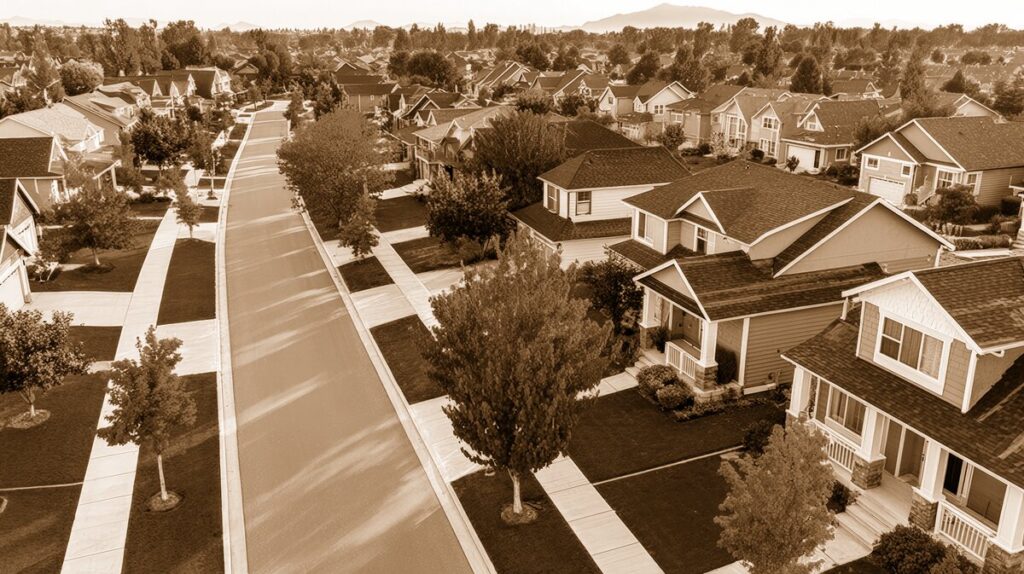
South Berkeley is more than just a neighborhood — it’s a living tapestry of stories, cultures, and resilience that spans generations. Tucked between the bustling heart of downtown and the leafy calm of the Oakland border, South Berkeley boasts a heritage as vibrant as its tree-lined streets. As a longtime resident, I invite you to take a stroll through this wonderful part of town, exploring its roots, iconic landmarks, and the enduring spirit that continues to define it.
Origins of South Berkeley
The story of South Berkeley begins long before the city was known as an intellectual haven. Originally home to the Ohlone people, the land stretched from present-day Ashby Avenue toward the southern boundary at Alcatraz Avenue, bordered by Adeline Street to the west and College Avenue to the east. With Spanish colonization and the subsequent Mexican era, much of the land became part of extensive ranchos before American settlers arrived in the mid-1800s.
By the late 19th century, Berkeley was officially incorporated. The area south of Dwight Way — now recognized as South Berkeley — developed its own unique identity, blending rural roots with new ideas brought by railways, students, and entrepreneurs. The Southern Pacific Railroad’s construction along Adeline Street turned the corridor into a bustling hub, spurring commercial activity and housing development.
How South Berkeley Got Its Name
The name "South Berkeley" is simple but significant. It literally refers to the district south of Berkeley’s early core around Shattuck Avenue and the University of California campus. As Berkeley grew, new areas emerged with distinct personalities—Central Berkeley, North Berkeley, West Berkeley, and of course, South Berkeley, which was shaped both by its proximity to Oakland and by residents forging their own sense of place.
Key Historical Milestones
South Berkeley’s history is marked by waves of change, each adding new layers to its dynamic fabric:
- The Advent of Transit: The arrival of the Berkeley Branch Railroad in the 1870s, and later the Key System streetcars, connected South Berkeley to downtown Oakland, San Francisco, and beyond, fostering strong economic and social ties.
- African American Migration: The wartime economy of the 1940s brought a new wave of Southern Black families seeking defense jobs and better opportunities. South Berkeley became a center of African American life, culture, and political activism.
- Civil Rights Era: During the 1960s and ’70s, the neighborhood was a hotbed for organizing — both for civil rights and tenant’s rights — with prominent institutions like the Lorin District Community Center and St. Paul AME Church at Adeline and Ashby serving as gathering places.
- Gentrification and Resilience: In recent decades, rising real estate prices have swept across Berkeley. South Berkeley, once redlined and overlooked, is now a battleground for affordable housing, with long-established families and new neighbors working to preserve the area’s cultural heritage.
Notable Landmarks and Buildings
Woven into the fabric of South Berkeley are buildings and spaces that tell the neighborhood's story:
- Ashby BART Station: Once the southern terminus of the BART line in Berkeley, the Ashby station at MLK Jr. Way and Ashby Ave. anchors the neighborhood. Its crescent-shaped parking lot hosts the beloved Berkeley Flea Market on weekends, a magnet for artisans and treasure hunters alike.
- The Lorin District: Centered around Alcatraz Avenue and Adeline Street, the Lorin was one of Berkeley's earliest business districts. Today, its vibrant murals and businesses owned by local entrepreneurs honor its multicultural roots.
- South Berkeley Library: The Tarea Hall Pittman South Branch Library on MLK Jr. Way, named after a legendary civil rights leader, is a beacon of knowledge and activism.
- Berkeley Bowl: Founded in 1977 on Oregon Street, Berkeley Bowl started as a former bowling alley and grew into the city’s best-loved independent grocery. Though now relocated to a larger spot on nearby Oregon Street, its spirit remains a South Berkeley hallmark.
- San Pablo Park: Opened in 1914, San Pablo Park is the oldest public park in Berkeley. Generations have played baseball here, picnicked under its trees, and gathered for community events. It’s bordered by Park Street, Mabel Street, Ward Street, and Russell Street.
Evolution of South Berkeley
The South Berkeley of today is a mosaic, layered with old and new:
- A Gateway for New Arrivals: Over the decades, South Berkeley has welcomed migrants from the South, Japanese Americans, activists, artists, and academics. Each group has left its imprint — from soul food institutions to Zen gardens.
- A Seat of Activism: This area has always punched above its weight in activism. Neighbors still recall the protests at Malcolm X Elementary School or the impassioned debates at community meetings.
- A Community in Transition: As rising rents and redevelopment bring new faces and businesses, long-term residents and neighborhood groups, like the South Berkeley Neighborhood Development Council, work to ensure change doesn’t erase hard-won gains in diversity or affordability.
What Makes South Berkeley Special
- Diversity: On a single block, you’ll hear multiple languages, see both century-old Craftsman homes and new co-housing communities, and encounter public art celebrating everything from indigenous roots to modern-day jazz musicians.
- Community Spirit: Neighbors here know each other’s names, and local events — from Juneteenth festivals to block parties at San Pablo Park — are reminders of a shared heritage and hope.
- Resilience: Through decades of social and economic challenges, South Berkeley’s residents have continually organized, advocated, and adapted — fierce in their love for this special slice of the city.
From its early days as farmland to its rise as a cultural crossroads, South Berkeley remains a place of welcome and transformation. Whether you’re passing through or planting roots, you’ll find in South Berkeley a community with a deep respect for its history and an unshakeable optimism for its future.